Winter in Bangladesh: Environmental Challenges & Sustainable Solutions
Introduction: Winter in Bangladesh
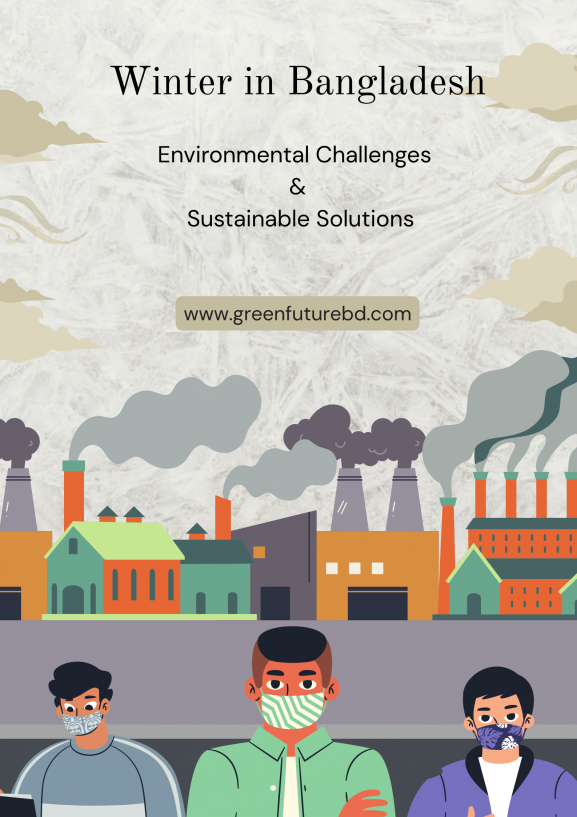
Winter in Bangladesh, typically spanning from November to February, is short yet environmentally significant. Unlike temperate countries, winter here is characterized by lower temperatures, reduced rainfall, dry air, fog, and haze, particularly in urban and industrial zones. While many people welcome the cooler weather, winter brings serious environmental challenges that affect air quality, public health, agriculture, water resources, and ecosystems.
Over the years, rapid urbanization, industrial expansion, brick kiln operations, traffic emissions, and poor waste management have intensified winter-specific environmental problems. These challenges are now closely linked with climate change, making winters drier, more polluted, and more hazardous—especially for children, the elderly, and low-income communities.
This article explores the key environmental challenges during winter in Bangladesh and presents practical, sustainable solutions that government agencies, industries, businesses, and individuals can adopt to protect both the environment and public health.
1. Severe Air Pollution in Winter
Why Air Pollution Peaks in Winter
Winter is the most polluted season in Bangladesh, especially in cities like Dhaka, Gazipur, Narayanganj, Chattogram, and Savar. Several factors contribute to this seasonal spike:
- Temperature inversion traps pollutants close to the ground
- Reduced wind speed limits dispersion of pollutants
- Low rainfall prevents natural air cleansing
- Increased operation of brick kilns
- Higher emissions from diesel vehicles and generators
- Open burning of waste, biomass, and agricultural residue
As a result, PM2.5 and PM10 levels often exceed national and WHO standards, placing Bangladesh among the countries with the worst winter air quality.
Environmental & Health Impacts
- Respiratory diseases (asthma, bronchitis)
- Eye and skin irritation
- Reduced lung development in children
- Increased cardiovascular risks
- Poor visibility leading to road accidents
Sustainable Solutions
Policy & Regulatory Measures
- Enforce stricter emission standards for brick kilns
- Accelerate conversion to zigzag and eco-friendly kiln technologies
- Strengthen vehicle fitness testing and fuel quality monitoring
Industrial Actions
- Install air pollution control devices (scrubbers, bag filters)
- Optimize generator use and shift to cleaner energy
- Monitor stack emissions regularly
Urban & Community Solutions
- Increase urban tree cover and green belts
- Ban open waste burning
- Promote public transport and non-motorized mobility
2. Brick Kilns: A Major Winter Polluter
The Brick Kiln Problem
Brick kilns operate mainly during winter due to dry weather. Bangladesh has thousands of brick kilns, many of which still use inefficient and illegal technologies. These kilns emit:
- Fine particulate matter (PM2.5)
- Sulfur dioxide (SO₂)
- Carbon monoxide (CO)
- Black carbon (a strong climate pollutant)
Environmental Consequences
- Deterioration of air quality
- Loss of topsoil and agricultural land
- Contribution to climate change
- Health risks for nearby communities
Sustainable Solutions
- Phasing out Fixed Chimney Kilns (FCKs)
- Promoting block bricks and alternative construction materials
- Transition to Hybrid Hoffman Kilns (HHK) and Tunnel Kilns
- Enforcing environmental clearance and EMP compliance
3. Water Scarcity and Reduced River Flow
Winter Water Stress in Bangladesh
Winter brings significantly reduced rainfall, leading to:
- Lower river flows
- Drying of wetlands and canals
- Increased dependency on groundwater
- Salinity intrusion in coastal areas
Industries and urban areas often over-extract groundwater during winter, worsening the crisis.
Environmental Impacts
- Decline in aquatic biodiversity
- Groundwater depletion
- Increased arsenic concentration
- Agricultural irrigation challenges
Sustainable Solutions
Water Resource Management
- Rainwater harvesting in urban and industrial buildings
- Efficient water use and recycling in industries
- Restoration of canals and wetlands
Industrial Responsibility
- Installation of Effluent Treatment Plants (ETPs)
- Reuse of treated wastewater
- Water audits and conservation planning
4. Fog, Smog, and Reduced Visibility
Causes of Winter Smog
Winter fog combined with pollutants creates smog, particularly in major highways and industrial belts. Smog is formed due to:
- Vehicular emissions
- Industrial smoke
- Brick kiln pollution
- Stagnant atmospheric conditions
Impacts
- Increased road and river accidents
- Delays in transport and logistics
- Negative effects on tourism and aviation
- Reduced sunlight affecting crops
Solutions
- Real-time air quality monitoring
- Improved traffic management
- Early warning systems for dense fog
- Reduction of emission sources at origin
5. Agricultural Challenges in Winter
Winter Cropping & Environmental Stress
Winter is a critical season for boro crops, vegetables, and wheat. However, environmental stressors include:
- Water shortages
- Cold injury to crops
- Increased pest and disease outbreaks
- Soil degradation
Sustainable Agricultural Solutions
- Climate-resilient crop varieties
- Efficient irrigation methods (drip, sprinkler)
- Organic soil amendments
- Reduced chemical pesticide use
- Integrated Pest Management (IPM)
6. Increased Use of Fossil Fuels and Generators
Energy Demand in Winter
Winter often sees increased use of:
- Diesel generators due to power fluctuations
- Biomass and firewood for heating in rural areas
- Low-quality fuels in industries
Environmental Consequences
- Increased greenhouse gas emissions
- Indoor air pollution
- Deforestation and biomass depletion
Sustainable Energy Solutions
- Promotion of solar energy systems
- Energy-efficient machinery and lighting
- Cleaner fuel alternatives
- Energy audits for industries and commercial buildings
7. Waste Management Challenges in Winter
Winter Waste Issues
Dry weather leads to:
- Increased open burning of waste
- Accumulation of plastic and solid waste
- Blockage of drains and canals
Environmental Impacts
- Toxic air emissions
- Soil and water contamination
- Increased urban flooding risks
Sustainable Waste Solutions
- Source segregation of waste
- Composting of organic waste
- Recycling and plastic reduction initiatives
- Strict enforcement against open burning
8. Climate Change and Changing Winter Patterns
Climate change is altering Bangladesh’s winter characteristics:
- Shorter but more intense cold spells
- Increased air pollution episodes
- Unpredictable rainfall patterns
- Greater stress on ecosystems
These changes demand adaptive environmental planning and climate-smart solutions across sectors.
Role of Environmental Consultancy Firms
Environmental consultancy firms like Green Future International play a crucial role during winter by:
- Conducting Environmental Impact Assessments (EIA)
- Preparing Environmental Management Plans (EMP)
- Air, water, and noise quality monitoring
- Advising industries on compliance and sustainability
- Supporting green technology adoption
Professional environmental guidance ensures industries operate responsibly while protecting public health and ecosystems.
What Individuals Can Do During Winter
Everyone has a role to play:
- Avoid open waste burning
- Use public transport when possible
- Save water and energy
- Plant trees and maintain greenery
- Follow air quality advisories
- Use clean cooking and heating options
Small actions, when multiplied, create meaningful environmental impact.
Conclusion: Towards a Cleaner, Healthier Winter in Bangladesh
Winter in Bangladesh brings unique environmental challenges, from air pollution and water scarcity to industrial emissions and waste mismanagement. However, these challenges are not insurmountable.
Through strong policy enforcement, sustainable industrial practices, community participation, and expert environmental consultancy, Bangladesh can significantly reduce winter-related environmental risks. Investing in clean energy, pollution control, water conservation, and climate-resilient planning will not only improve winter conditions but also ensure long-term environmental sustainability.
A cleaner winter means healthier people, stronger ecosystems, and a greener future for Bangladesh.
Published on: Sunday, 28 December 2025, 12:46 pm ▪ Last update: Monday, 5 January 2026, 12:19 pm ▪ Total View of this Page: 992